The Most Important Works of Art in American History
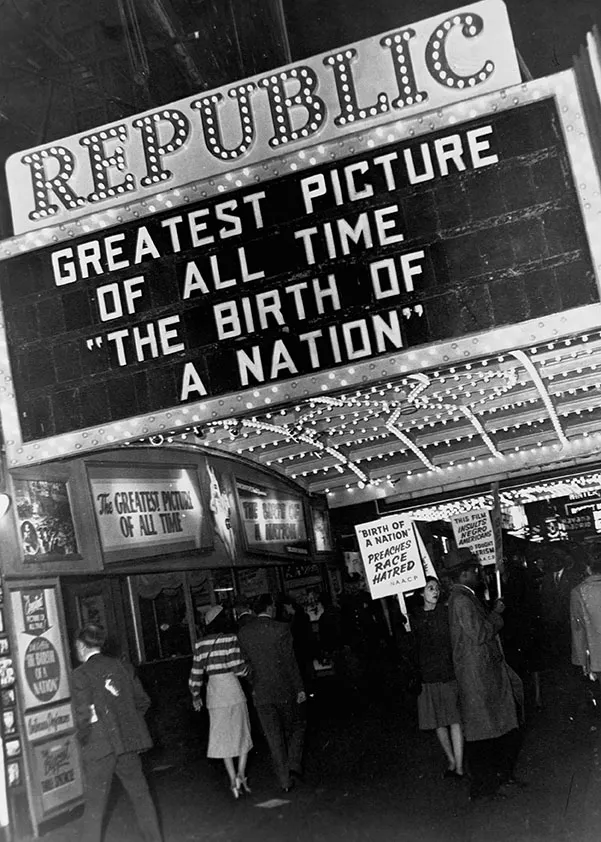
1. The Birth of a Nation by D.W. Griffith (film, 1915)
Racist, “Lost Cause,” Klan-glorifying propaganda, it was also the birth of modern filmmaking. “Thoroughly pernicious, but tremendously important … establishing the importance of film and helping to shape national consciousness about Reconstruction,” said University of Texas law professor Sanford Levinson.
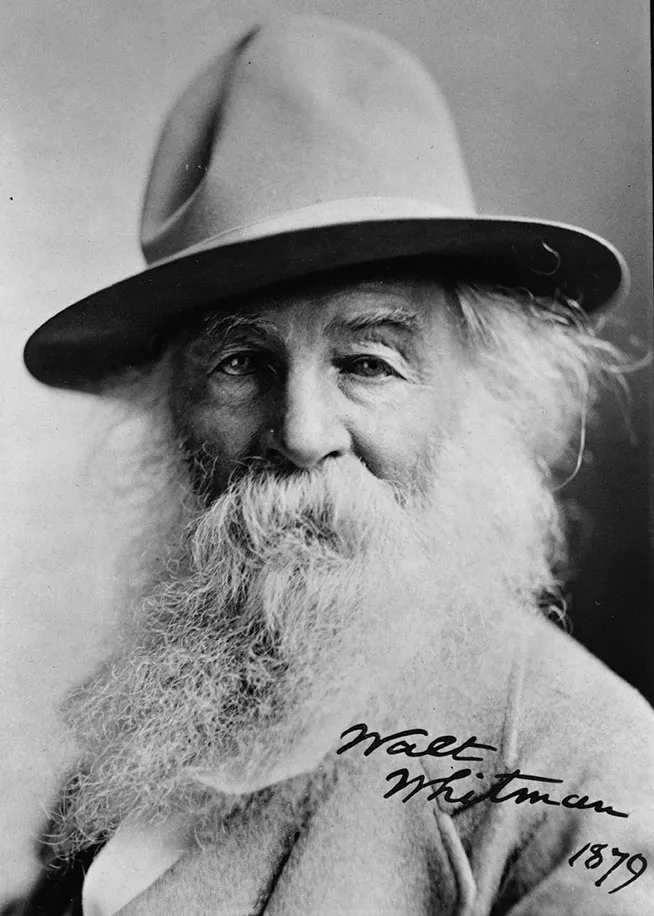
T-2. Leaves of Grass by Walt Whitman (poetry, 1855)
“Here are the roughs and beards and space and ruggedness and nonchalance that the soul loves,” Whitman wrote in the preface to the first edition of this landmark poetry collection. He repeatedly expanded and revised the work until he died in 1892.
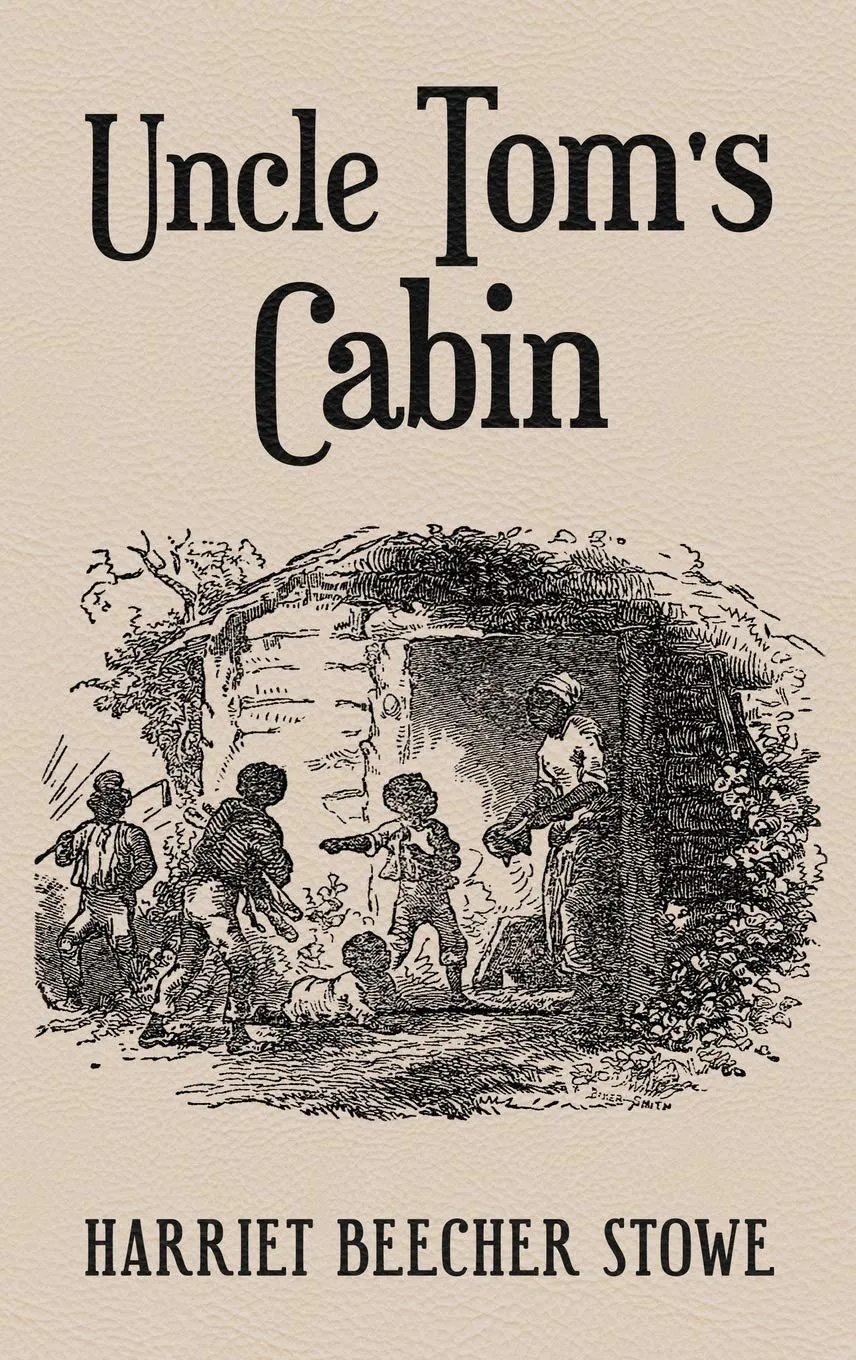
T-2. Uncle Tom’s Cabin by Harriet Beecher Stowe (novel, 1852)
Stowe’s slavery-condemnation novel sold more copies than any book in the nineteenth century, save perhaps the Bible. Credited with changing white attitudes toward slavery, it’s nevertheless not widely read today, due to its negative stereotypes of Black Americans, particularly that of the title character.
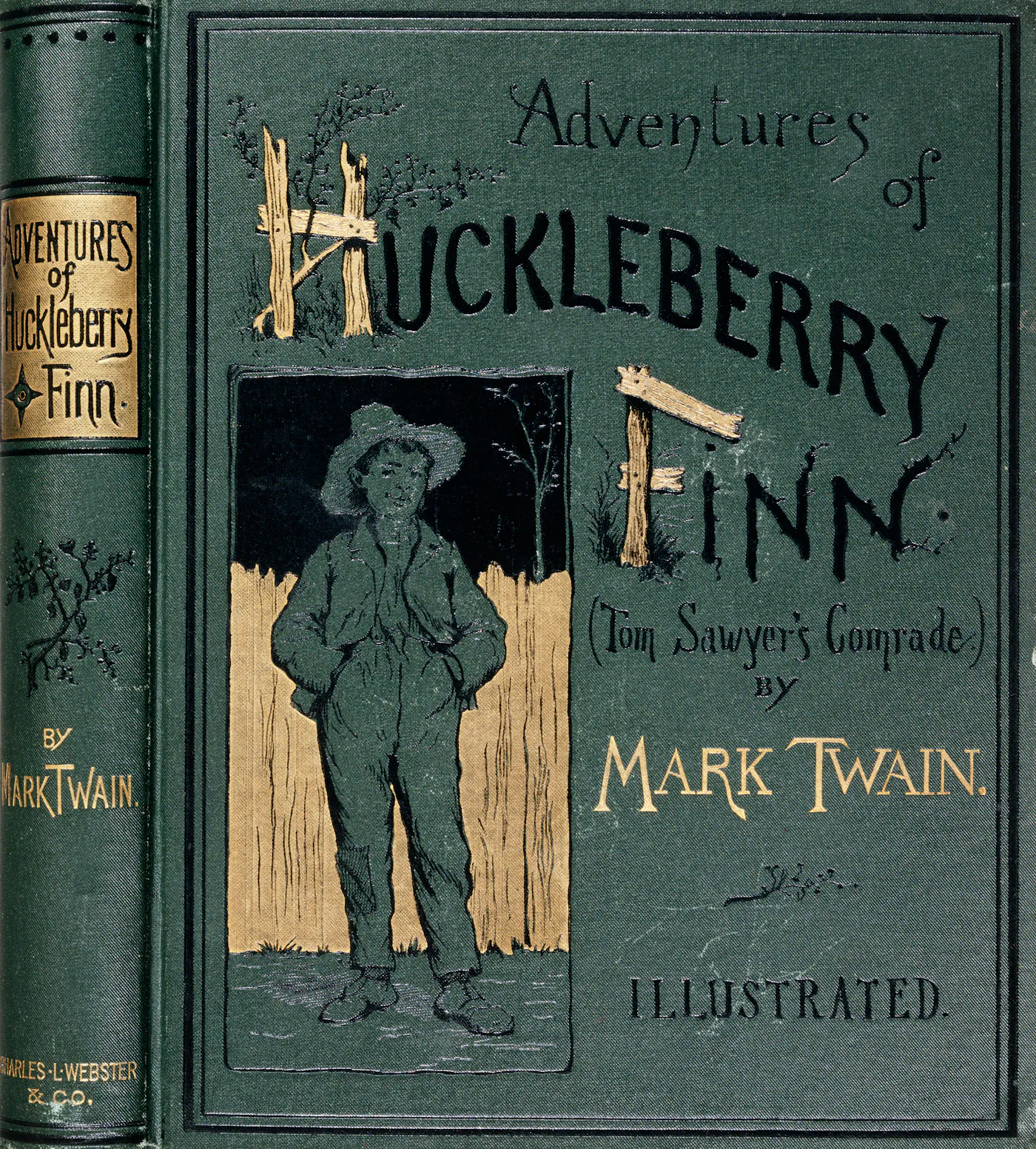
T-4. Adventures of Huckleberry Finn by Mark Twain (novel, 1885)
Ernest Hemingway said all modern American literature comes from Twain’s antebellum tale of a white Missouri preteen helping a slave find freedom. It was and remains controversial, but by this time in his life, Samuel Clemens was a staunch supporter of racial justice.
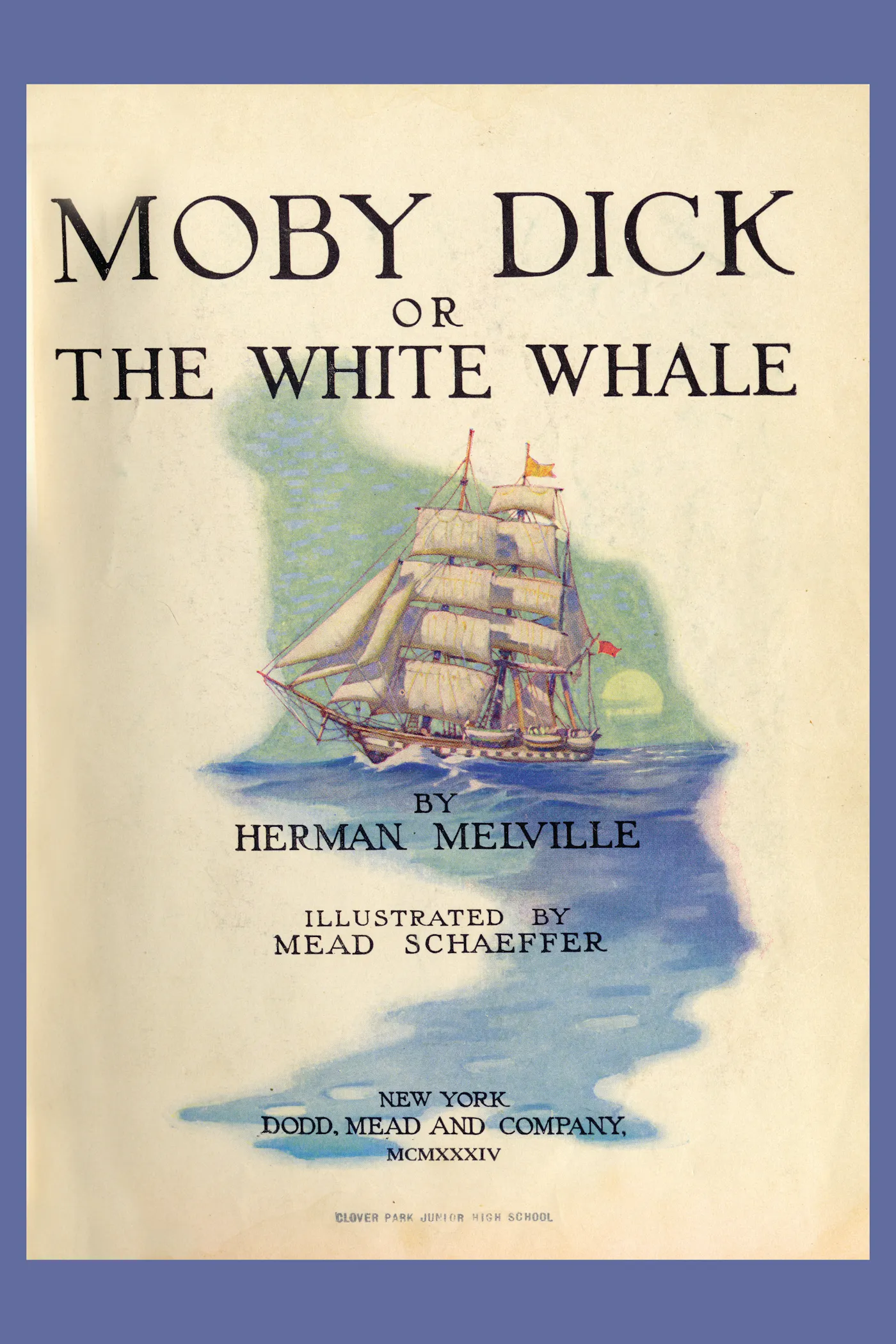
T-4. Moby-Dick; or The Whale by Herman Melville (novel, 1851)
The classic tale of obsession and revenge was initially a whale of a flop. Melville lived another 40 years and had long passed into the great ocean beyond before his magnum opus took its place in the American literary canon.
6. Citizen Kane by Orson Welles (film, 1941)
Welles was 25 and a first-time director when he crafted this dark tale, which still stands up, about a media mogul’s rise, withdrawal, and a futile search for what he’d lost along the way. Rosebud!
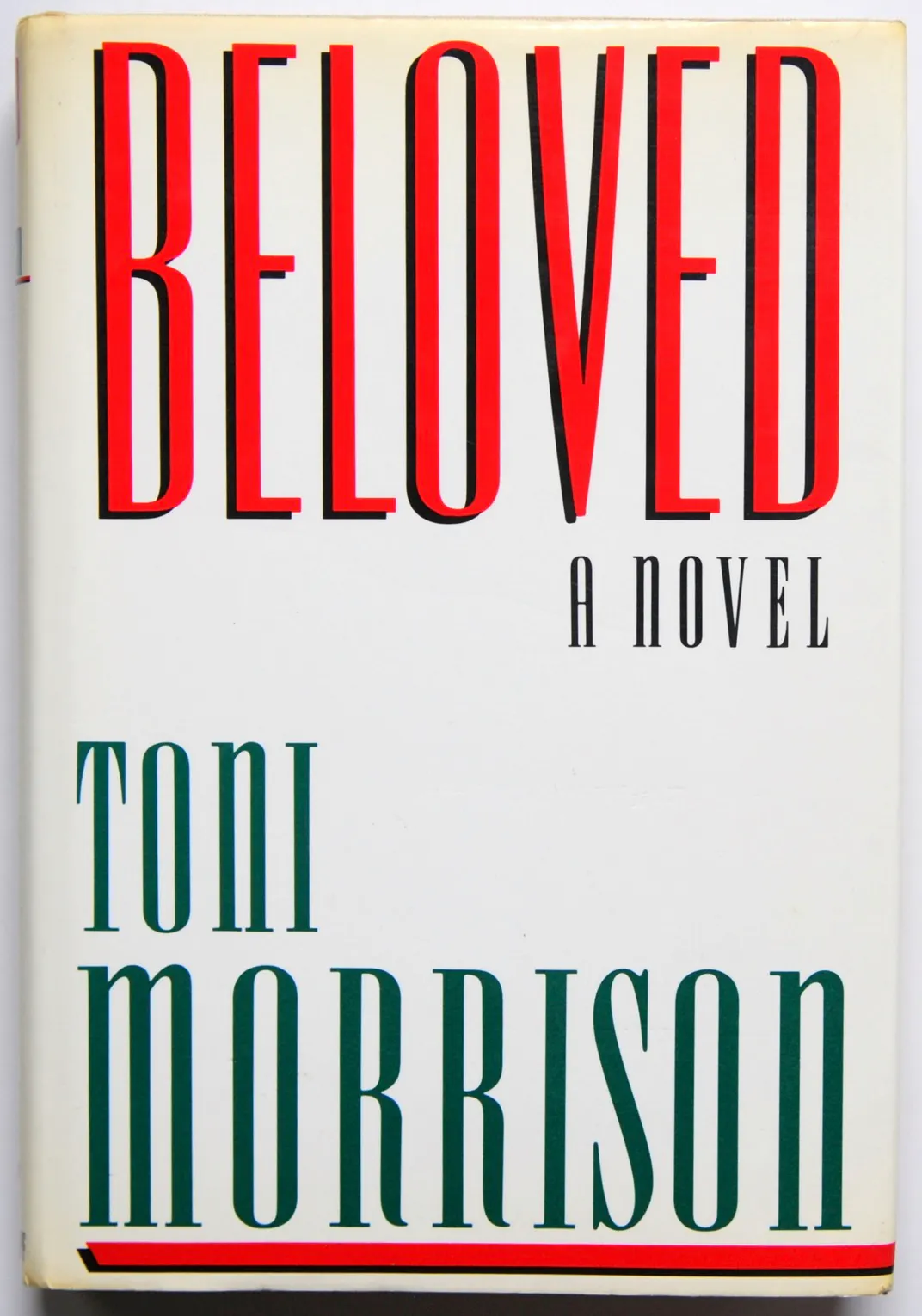
T-7. Beloved by Toni Morrison (novel, 1987)
Her Pulitzer Prize winner is not universally beloved, often appearing prominently on lists of banned books, but this story exploring the trauma of slavery in postbellum Ohio is probably her most acclaimed.
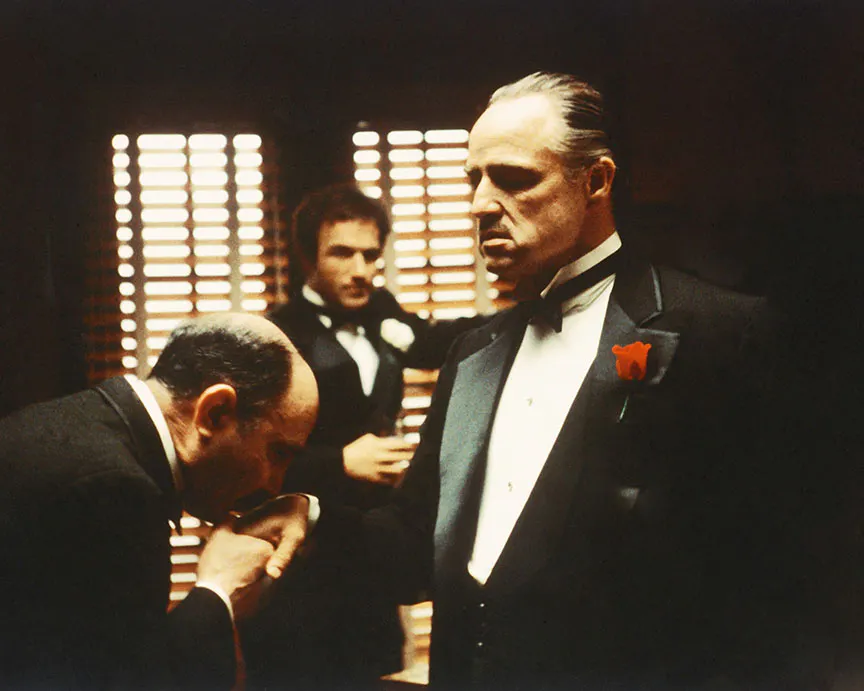
T-7. The Godfather Parts I & II by Francis Ford Coppola (film, 1972 and 1974)
The Corleone family’s embrace and corruption of the American dream is a classic tale of tragedy as triumph. And the cast is pretty good, too. (Yeah, our panel ignores Part III.)
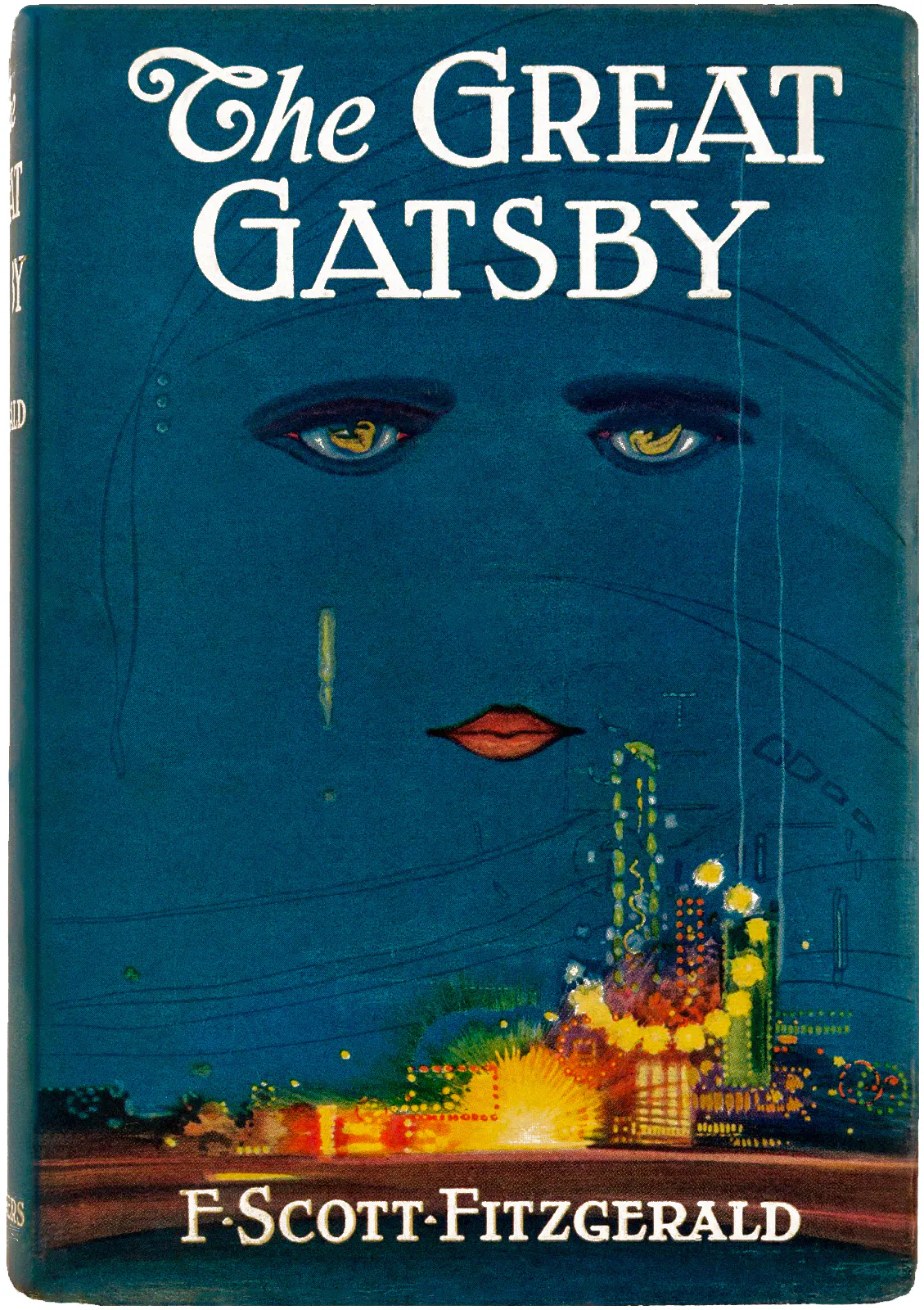
T-9. The Great Gatsby by F. Scott Fitzgerald (novel, 1925)
The American dream’s glory and tragedy unfold in this classic set in the Jazz Age that remains a staple of high school syllabi. Squint hard and you can just see the green light at the end of the dock.
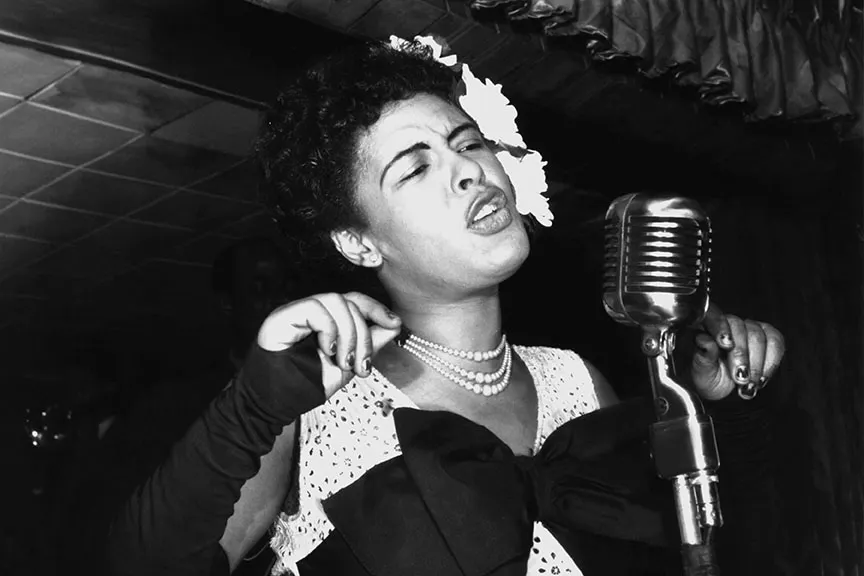
T-9. “Strange Fruit” by Abel Meeropol (song, 1939)
Billie Holiday’s haunting rendition of Meeropol’s composition never directly mentions lynching, but its topic is clear. “Black body swinging in the Southern breeze/Strange fruit hanging from the poplar trees.” Time named it the song of the twentieth century.
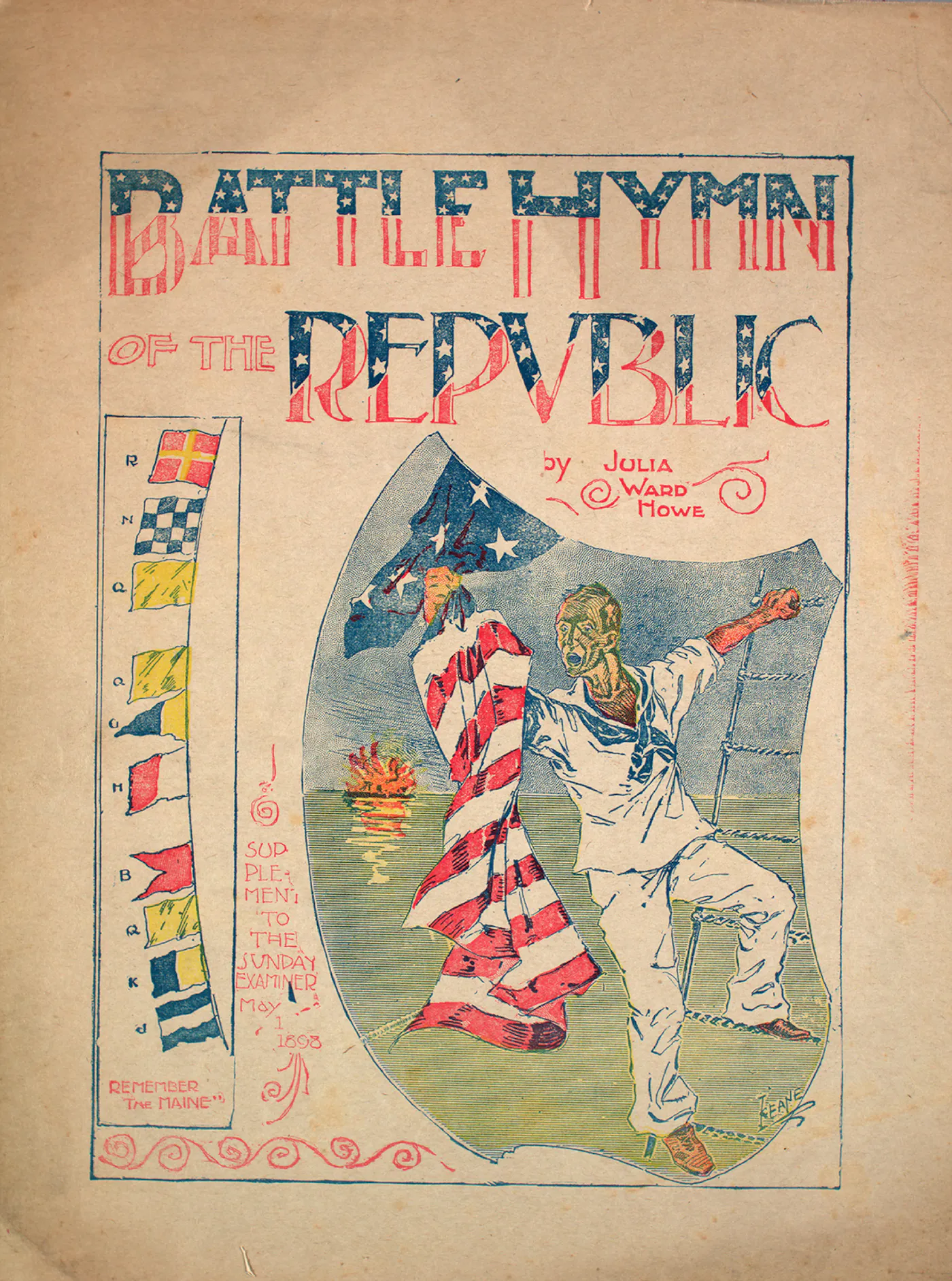
T-11. “Battle Hymn of the Republic” by Julia Ward Howe (song, 1862)
Visiting Washington, D.C., in 1861, Howe heard Union soldiers singing “John Brown’s Body.” She wrote new lyrics for it that were a hit in the North and loathed in the South. Oh well, the victors get to call the tune.
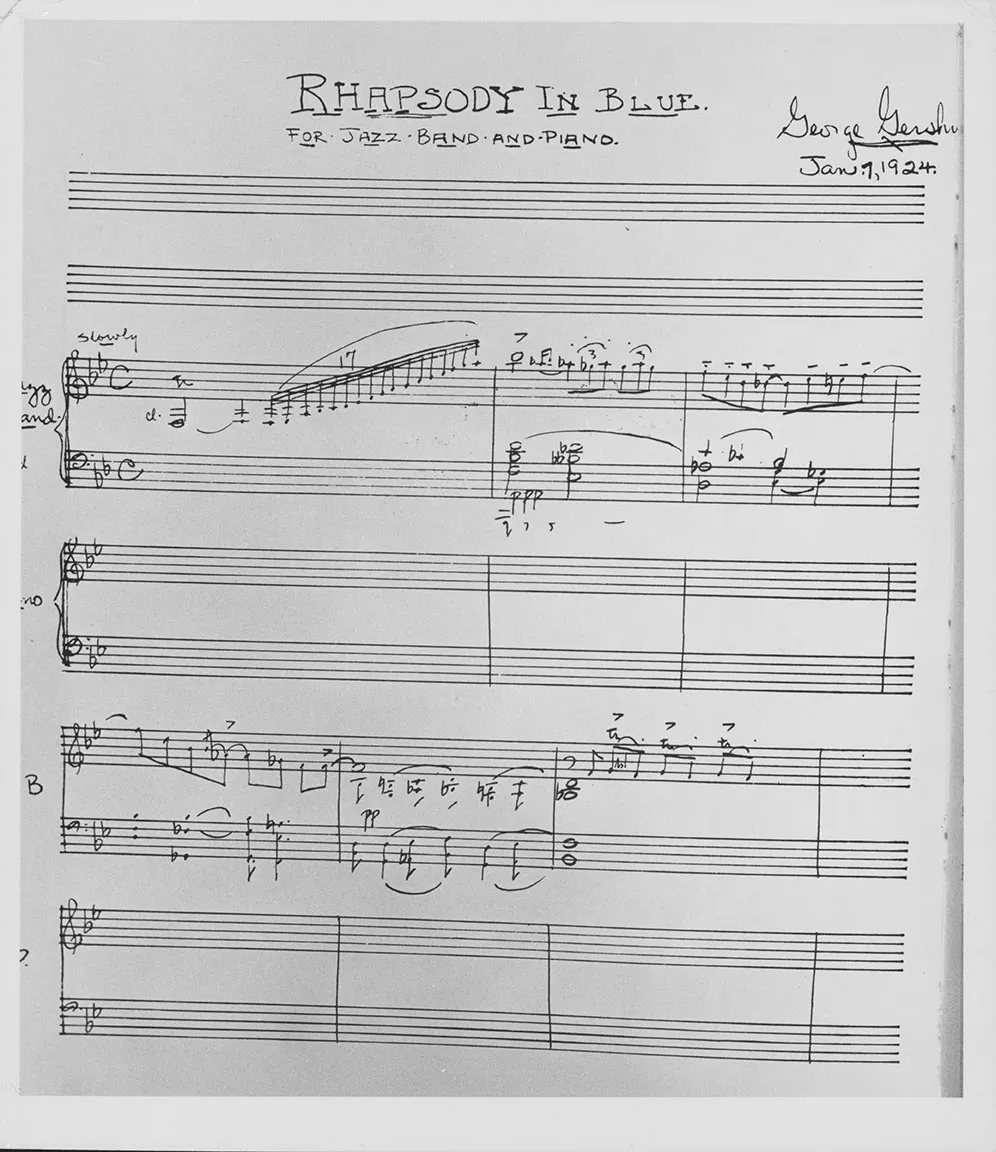
T-11. “Rhapsody in Blue” by George Gershwin (orchestral work, 1924)
A train ride inspired Gershwin’s orchestral mélange of jazz and blues: “a sort of musical kaleidoscope of America—of our vast melting pot, of our unduplicated national pep, of our metropolitan madness,” he later said.
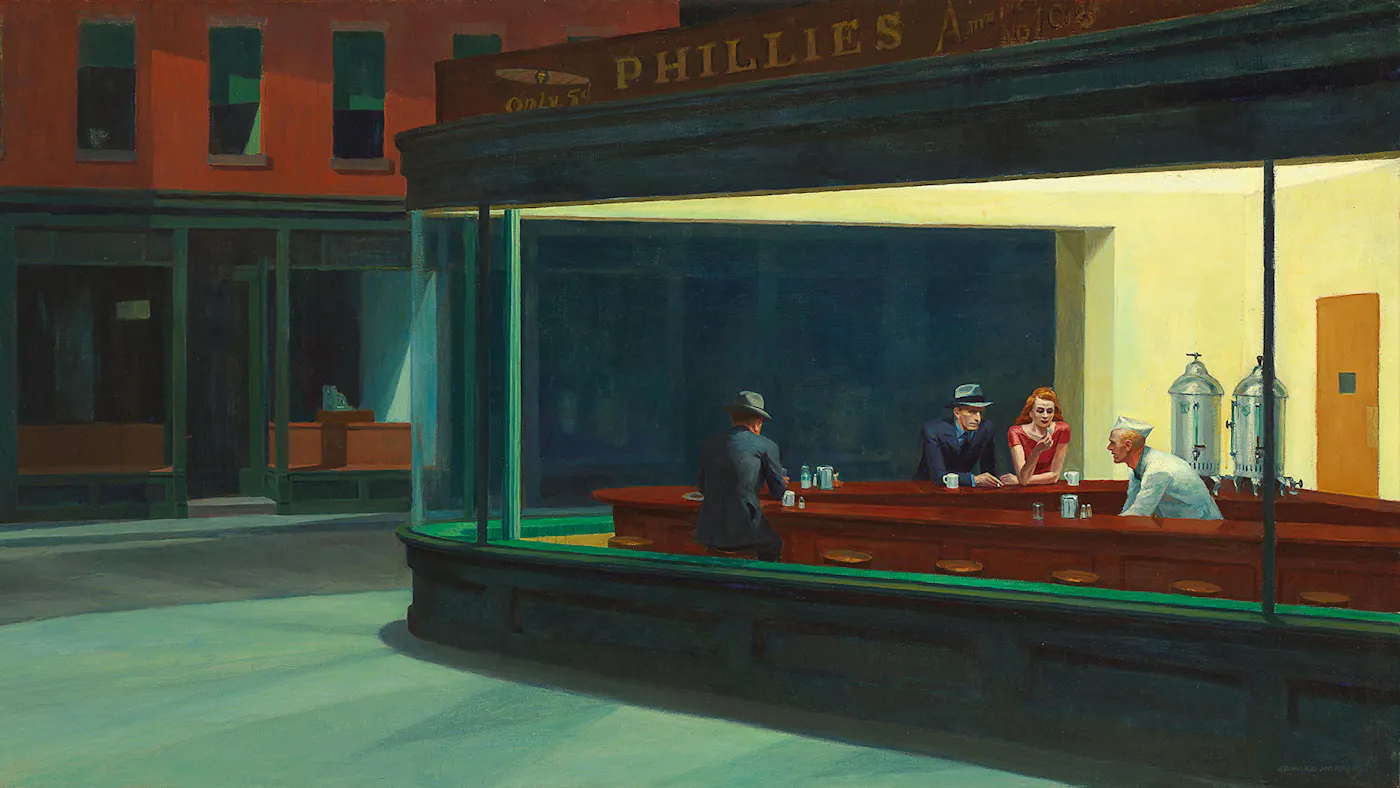
T-13. Nighthawks by Edward Hopper (painting, 1942)
“Unconsciously, probably, I was painting the loneliness of a large city,” Hopper explained. It was magnified by its context—a city under blackout restrictions in the early days of war.
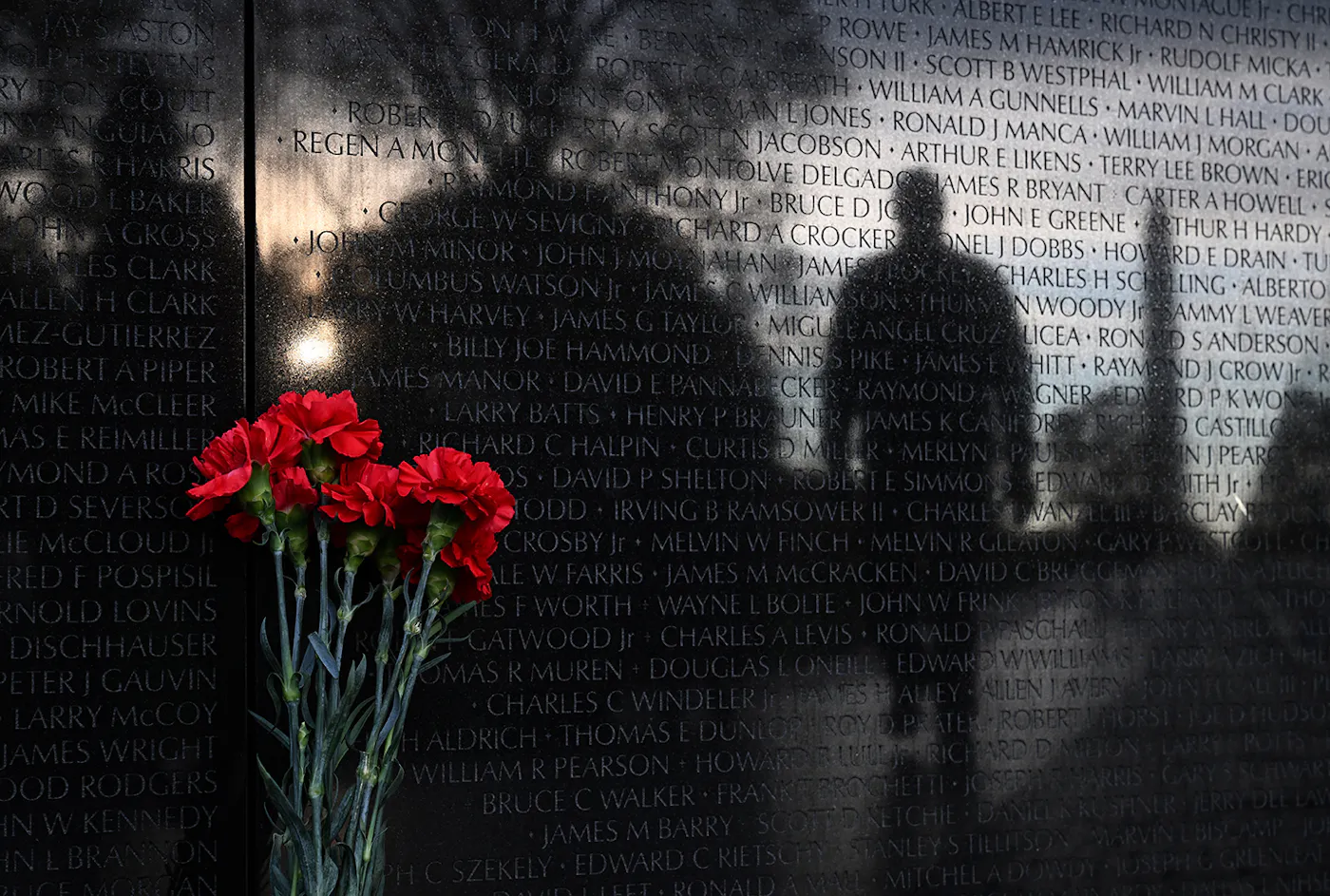
T-13. Vietnam Veterans Memorial by Maya Lin (architectural memorial, 1982)
The names of the 58,000 killed in America’s tragic conflict emanate chronologically from the monument’s center. Both Lin and the design were attacked by the usual suspects, but the public has always appreciated its understated genius.
15. Casablanca by Michael Curtiz (film, 1942)
The lightning dialogue. The flawless cinematography. The thrilling direction. The poignant message. The breathtaking ending. Oh, yeah—the acting wasn’t too bad either.