The Most Important Court Cases in American History
1. Brown v. Board of Education, 1954
This school desegregation decision was so important that Chief Justice Earl Warren made sure the judges were unanimous. And even with that, 20 or so years passed before it was actually enforced.
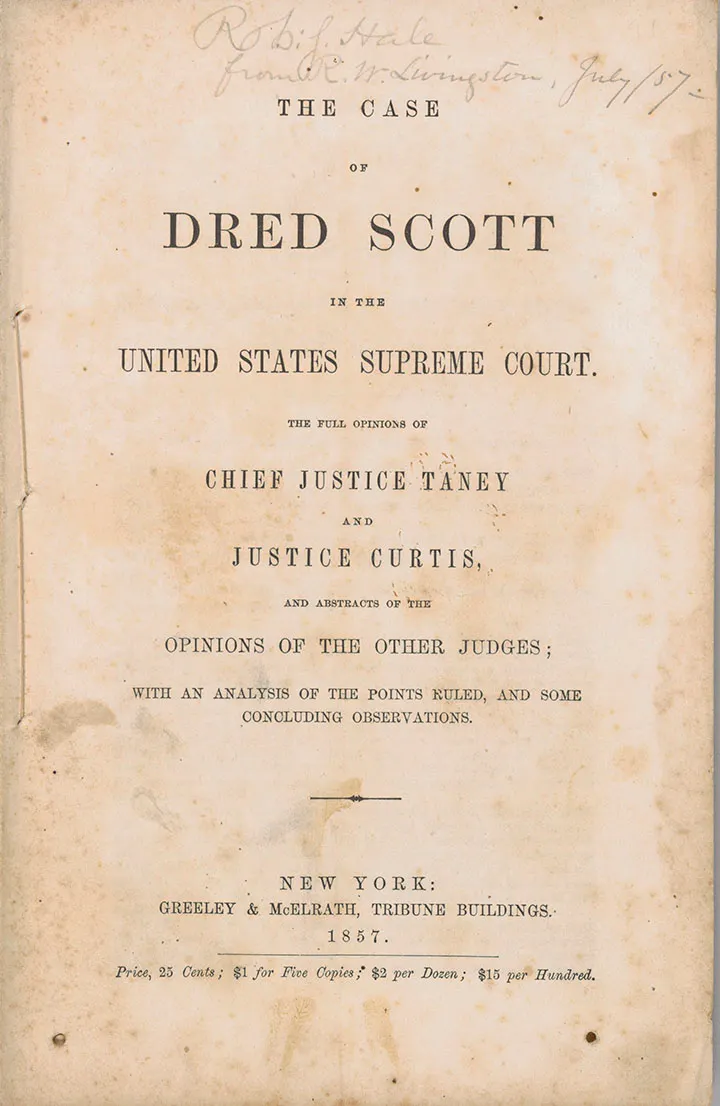
2. Dred Scott v. Sandford, 1857
A shameful decision not to extend citizenship to descendants of slaves by a shameful court that helped precipitate the Civil War. Let us note, however, that the vote was 7–2, so bravo to Benjamin Robbins Curtis and John McLean.
3. Marbury v. Madison, 1803
In which Chief Justice John Marshall established judicial review—giving the court the power to declare a congressional law unconstitutional. Would be lovely if we could undo this today.
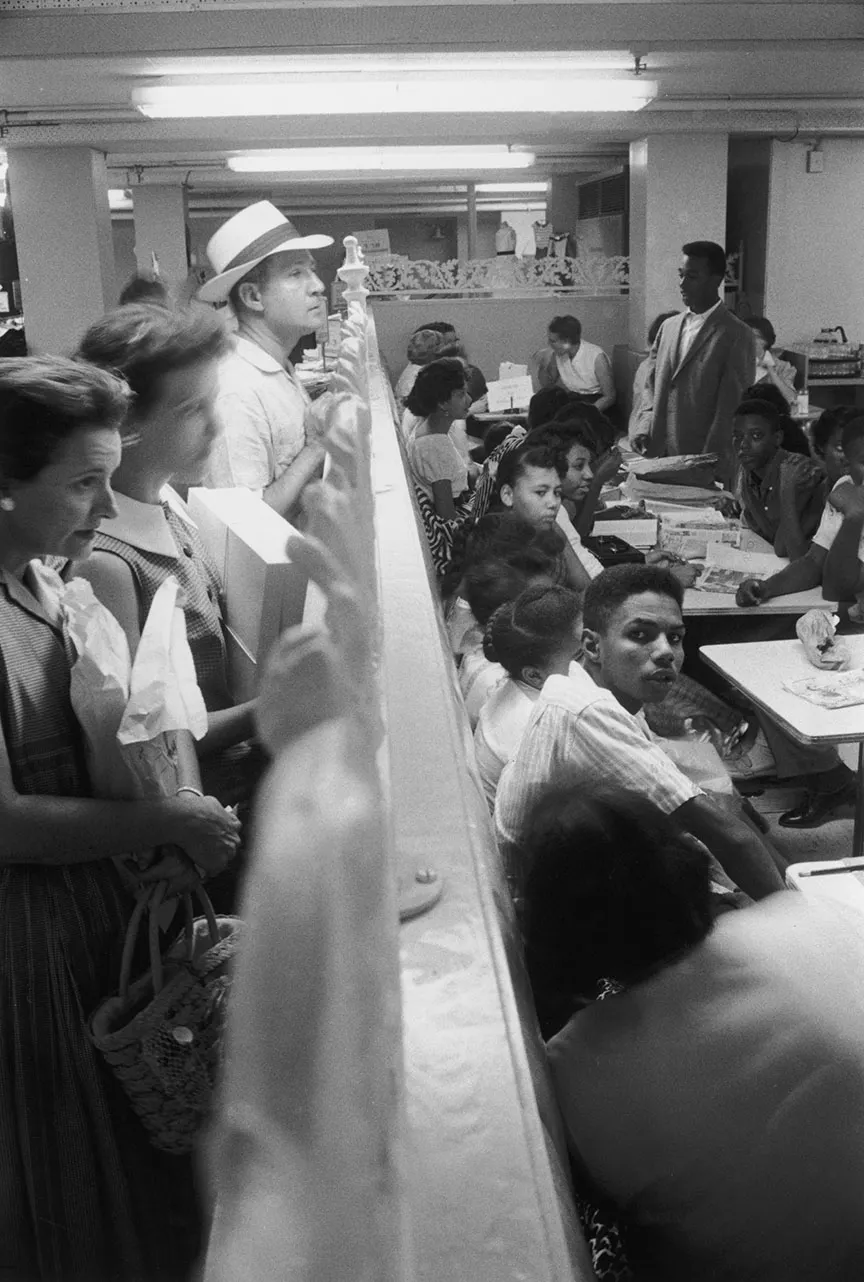
4. Plessy v. Ferguson, 1896
The infamous “separate but equal” ruling. Homer Plessy was seven-eighths Caucasian and tried to sit in a white railway car. Not in Louisiana, bub!
T-5. Citizens United v. Federal Election Commission, 2010
A disgraceful ruling to all but undo campaign finance rules. Its impact on U.S. elections has been corrupting beyond our ability to count—quite literally, since one result of this decision is that we have no way of tracking how much corporations pour into campaigns.
T-5. Roe v. Wade, 1973
The landmark pro-abortion ruling. Interestingly, at first, the Jerry Falwells of this country weren’t up in arms about this one. Homeschooling was their big issue at the time.
7. Trump v. United States, 2024
The ruling that offered the president immunity from criminal prosecution for official acts. One of the most annoying naïve-liberal guessing games of the Roberts court era: Maybe Gorsuch or Kavanaugh will save us here! No. They didn’t.
8. Bush v. Gore, 2000
The race to the right-wing gutter started here, with a decision so rancidly political—it settled a dispute over vote recounting—that the five majority justices noted it was “limited only to the present circumstances,” i.e., meant to install George W. Bush as president.
T-9. McCulloch v. Maryland, 1819
Unlike Marbury, this John Marshall ruling suits liberals today just fine: It declared the supremacy of federal over state law and would define the potential scope of the administrative state. Some conservatives would like to overturn it. At the rate we’re going, they won’t need to.
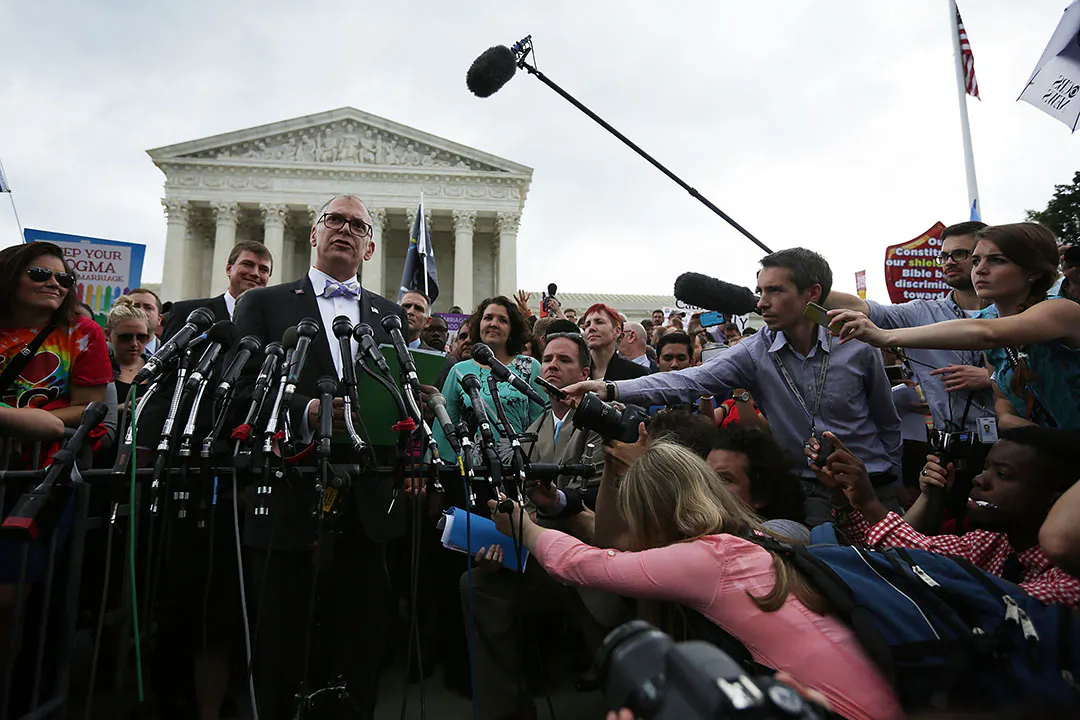
T-9. Obergefell v. Hodges, 2015
A rare victory for progress and decency in the modern era, thanks to Anthony Kennedy joining the court’s (then) four liberals to legalize same-sex marriage.
T-11. Dobbs v. Jackson Women’s Health Organization, 2022
Another Deep South case, and wham, nearly a half-century of pro-abortion rights precedent tossed out the window. Every justice who voted for this clearly lied about their beliefs at their confirmation hearings.
T-11. West Coast Hotel Company v. Parrish, 1937
The famous case in which the anti–New Deal Supreme Court, perhaps brushed back by FDR’s court-packing scheme, shifted its right-wing gears and held that a minimum wage was constitutional. Justice Owen Roberts called it “the switch in time that saved nine.”
T-11. Baker v. Carr, 1962
One of three “one person, one vote” cases decided by the Warren court in the early 1960s. Warren, upon retiring, called these cases the most important of his tenure. One justice had a nervous breakdown during deliberations.
T-14. Loving v. Virginia, 1967
The court here held unanimously that the marriage between the appropriately named Richard Loving, a white man, and his Black wife, Mildred Jeter, could stand.
T-14. Miranda v. Arizona, 1966
The bane of cops from the day it was decided, it ensured that people under arrest were made aware of their rights. Kind of amazing it hasn’t been reversed yet.